


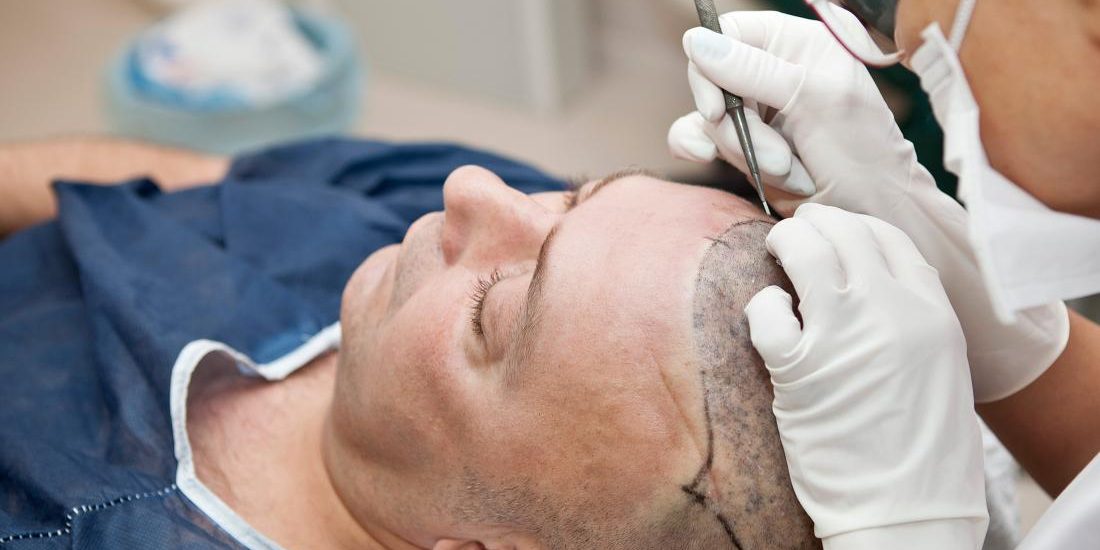
Hair transplantation is a popular cosmetic procedure that offers individuals experiencing hair loss an effective solution to regain a fuller head of hair. While the surgery itself is minimally invasive, it’s common to experience post-operative swelling, particularly in the forehead and eye areas. Understanding how to treat and manage this swelling is essential for a smooth recovery process. In this article, we will discuss various strategies and tips for addressing and reducing swelling after a hair transplant.
Why Does Swelling Occur After Hair Transplantation?
Swelling is a natural response of the body to injury or surgical procedures. During a hair transplant, tiny incisions are made in the scalp, and grafts are inserted. This process can lead to inflammation and fluid buildup in the affected areas, resulting in swelling.
Treatment and Management Strategies:
- Follow Post-Operative Instructions: The first step in managing swelling is to adhere to the post-operative instructions provided by your hair transplant surgeon. These instructions are tailored to your specific case and are designed to optimize the healing process while minimizing complications.
- Cold Compresses: Applying cold compresses to the swollen areas can help reduce inflammation and provide relief from discomfort. Use a clean cloth or an ice pack wrapped in a thin cloth and apply it gently to the affected areas for 15-20 minutes at a time. However, avoid direct contact between ice and skin to prevent frostbite.
- Elevate Your Head: Keeping your head elevated while sleeping or resting is crucial in reducing swelling. Use an extra pillow to prop up your head at a 45-degree angle. This position promotes better blood circulation and minimizes fluid accumulation in the scalp.
- Avoid Strenuous Activities: In the days immediately following the procedure, it’s essential to refrain from engaging in strenuous physical activities, heavy lifting, or bending over. These activities can increase blood flow to the scalp and exacerbate swelling.
- Take Prescribed Medications: Your surgeon may prescribe pain relievers and anti-inflammatory drugs to manage pain and reduce swelling. Ensure you take these medications as directed to optimize your comfort during the recovery period.
- Stay Hydrated: Drinking an adequate amount of water is essential for overall health and can help flush out excess fluids from your body, potentially reducing swelling. Aim to drink at least eight glasses of water a day.
- Avoid Alcohol and Salty Foods: Both alcohol and salty foods can lead to fluid retention in the body, which may worsen swelling. It’s advisable to avoid these substances during the initial recovery phase.
- Gentle Shampooing: Follow your surgeon’s recommendations for when and how to shampoo your hair after the transplant. Use a mild, unscented shampoo, and be extremely gentle when washing the transplanted area to prevent irritation or damage.
- Practice Patience: Swelling is a normal part of the healing process and will gradually subside on its own over the course of several days to a week. Be patient and allow your body the time it needs to heal fully.
- Communication with Your Surgeon: If you have any concerns about excessive or prolonged swelling or experience any unusual symptoms, do not hesitate to contact your surgeon.
Swelling after a hair transplant is a temporary side effect that can be managed effectively with proper care and patience. By following the advice and instructions provided by your surgeon, you can promote a smooth recovery and enjoy the best possible results from your hair transplantation procedure. Remember that everyone’s healing process is unique, so prioritize your well-being during this critical phase of recovery.
FOR A FREE CONSULTATION CONTACT US=>